
No products in the cart.
Blogs
Where is Mercedes-Benz Made? Explore Manufacturing Locations
Mercedes-Benz, an emblem of luxury and engineering excellence, has captivated automotive enthusiasts for decades. However, a significant aspect that contributes to its reputation involves the geographical origin of its vehicles. Each model embodies a blend of advanced technology, skilled labor, and regional characteristics inherent to its place of manufacture. This raises an intriguing question: where exactly are these masterpieces crafted? Understanding the global manufacturing network of Mercedes-Benz not only highlights the brand’s commitment to quality but also sheds light on the strategic decisions influencing its production locations. Dive deep into the world of Mercedes-Benz manufacturing, and explore how the company’s extensive facilities worldwide add value and distinction to its vehicles.
Where is Mercedes-Benz made? Global Manufacturing Locations of Mercedes-Benz
Mercedes-Benz operates a vast production network that spans the globe, ensuring that luxury vehicles are expertly crafted in alignment with local consumer preferences and technological advancements. The production footprint includes several key countries known for their meticulous manufacturing capabilities and high standards of quality. From Germany to China, and the United States, these facilities are specifically designed to cater to different markets while upholding the Mercedes-Benz legacy.
Factories in Germany
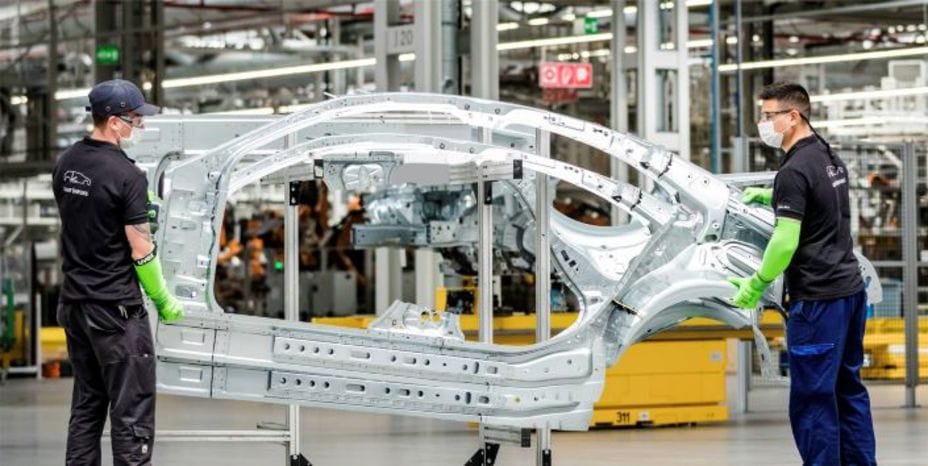
Germany remains the heartbeat of Mercedes-Benz, housing critical manufacturing plants responsible for some of the brand’s most prestigious models. Prominent factories serve distinct production purposes, creating a synergy between innovation and craftsmanship. Here are some key German facilities:
- Stuttgart: This location serves as the headquarters and a pivotal production site where luxury models like the S-Class and E-Class are designed and manufactured.
- Sindelfingen: Known for its focus on high-end vehicles, including the S-Class and various AMG models, this plant emphasizes quality and precision in vehicle assembly.
- Bremen: This factory produces a wide range of sedan and SUV models. It stands out for its efficiency, utilizing state-of-the-art production technology that allows for the seamless assembly of different vehicle types on the same line.
- Berlin: While it undertakes assembly tasks, this facility also preserves and enhances the brand’s heritage by focusing on unique projects that celebrate Mercedes-Benz’s legacy.
To measure the effectiveness of each plant’s output, Mercedes-Benz employs a strict quality control process that includes in-depth inspections throughout the manufacturing stages. This multi-facility approach allows Mercedes-Benz not only to diversify its production capabilities but also to respond swiftly to market demands while maintaining the highest quality standards.

Production Plants in the United States
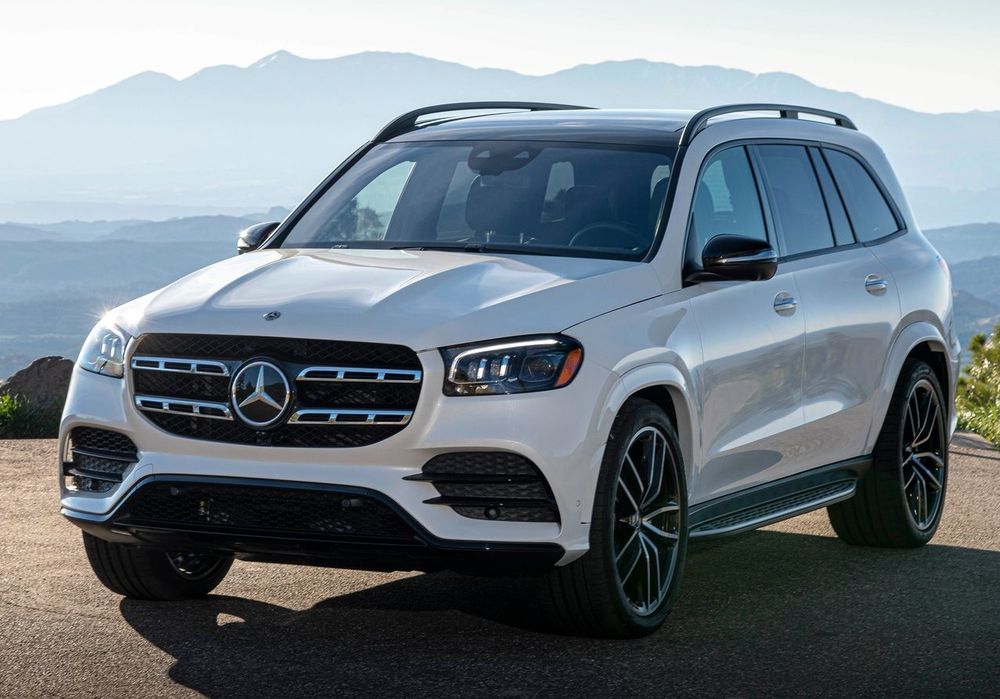
In the United States, Mercedes-Benz established significant manufacturing facilities, specifically in Tuscaloosa, Alabama. This plant occupies an extensive area of over 24 million square feet and is the central assembly hub for various popular SUV models, such as the GLE, GLS, and C-Class SUVs. Key features of this facility include:
- Established in 1993: This plant has undergone several expansions to enhance its production capabilities.
- Advanced Robotics: The Tuscaloosa facility employs sophisticated robotics technology to boost efficiency and ensure high precision in manufacturing.
- Sustainability Practices: The plant emphasizes sustainable practices in its operations, aligning with Mercedes-Benz’s commitment to environmental stewardship.
This dedicated production facility helps streamline the manufacturing process, reduces shipping times significantly, and enables better customization for American customers. Notably, local production not only supports the regional market but also facilitates exports, thereby playing a crucial role in Mercedes-Benz’s North American strategy.

Manufacturing in China
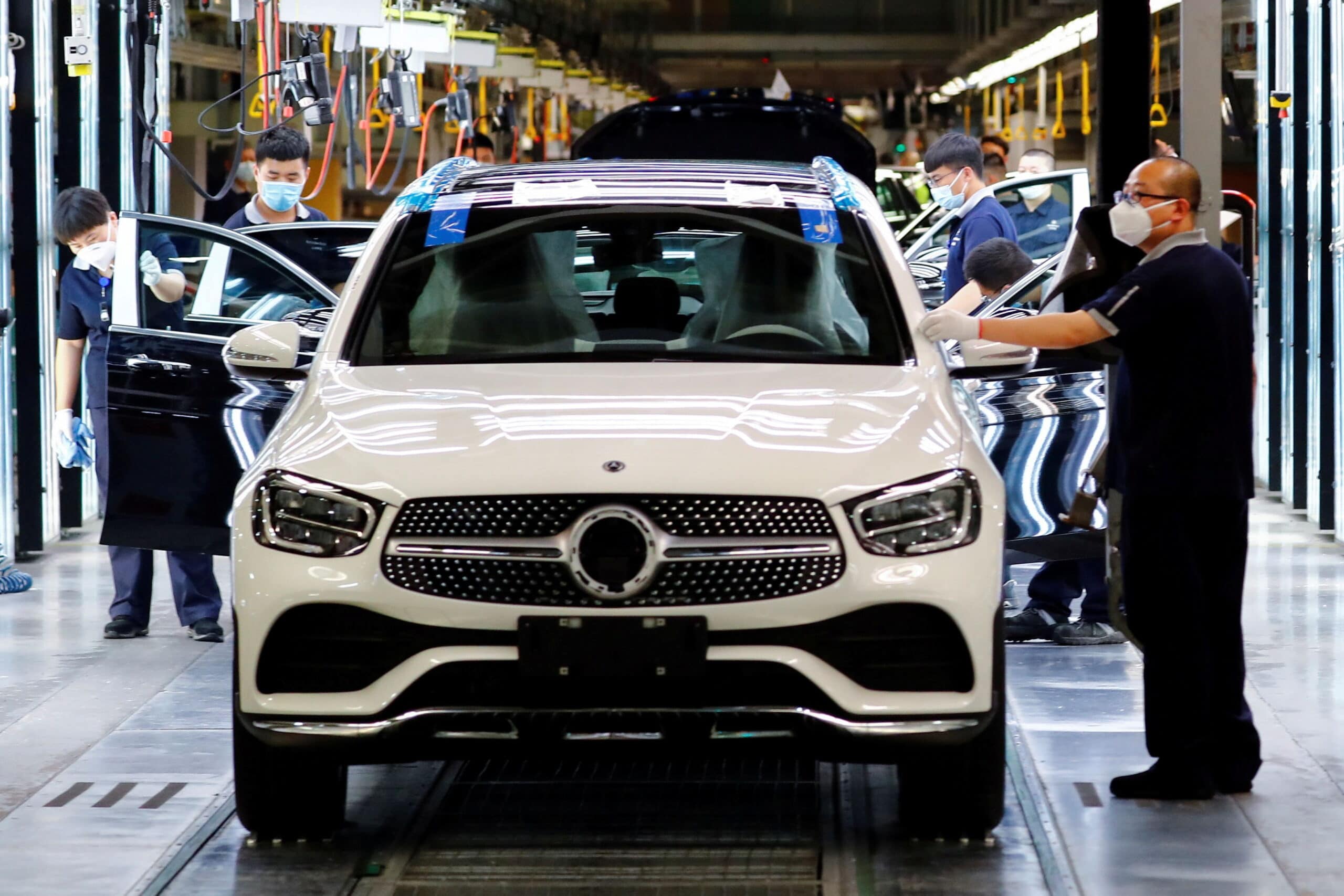
China has become an indispensable market for Mercedes-Benz, prompting the company to enhance its manufacturing footprint in the region significantly. Key initiatives in Chinese production include:
- Joint Ventures: The company collaborates with local partners, such as Beijing Benz and Fujian Benz, to optimize production tailored to Chinese consumer preferences.
- Major Investments: Mercedes-Benz recently announced investments exceeding 14 billion yuan (approximately 2 billion USD) to bolster its local offerings, including long-wheelbase models and electric vehicles.
- Local Product Line Expansion: The focus on producing China-exclusive long-wheelbase versions of popular models like the CLA and GLE underscores Mercedes-Benz’s adaptability to local market demands.
The Chinese manufacturing segment not only aims to satisfy rising demand for luxury vehicles but is also pivotal to the brand’s strategy in integrating electric vehicle production into its global offerings. By localizing production, Mercedes-Benz can ensure timely delivery, customization, and enhanced service for its Chinese customers.
Other International Facilities
Beyond Germany, the United States, and China, Mercedes-Benz operates several additional manufacturing facilities across the globe. These plants strategically contribute to the company’s overall production efficiency and localization strategies. Important global production sites include:
- India: Pune serves as a prominent manufacturing facility producing a range of vehicles tailored to meet local market demands while maintaining the brand’s high standards.
- Hungary: The Kecskemét plant specializes in compact vehicles, showcasing the brand’s commitment to producing suitable models for various markets.
- South Africa: Assembly operations in East London focus on both commercial vehicles and passenger cars, adapting to regional needs and building local expertise.
These international facilities allow Mercedes-Benz to optimize supply chains, respond to regional consumer preferences, and enhance overall operational efficiency, reinforcing its global presence and market dominance.
Mercedes-Benz Production Process
With a diverse global manufacturing network, Mercedes-Benz employs rigorous production processes that emphasize quality and innovation in every vehicle produced. The brand’s emphasis on excellence ensures that each production location adheres to high standards reflective of the company’s legacy.
Assembly of Components
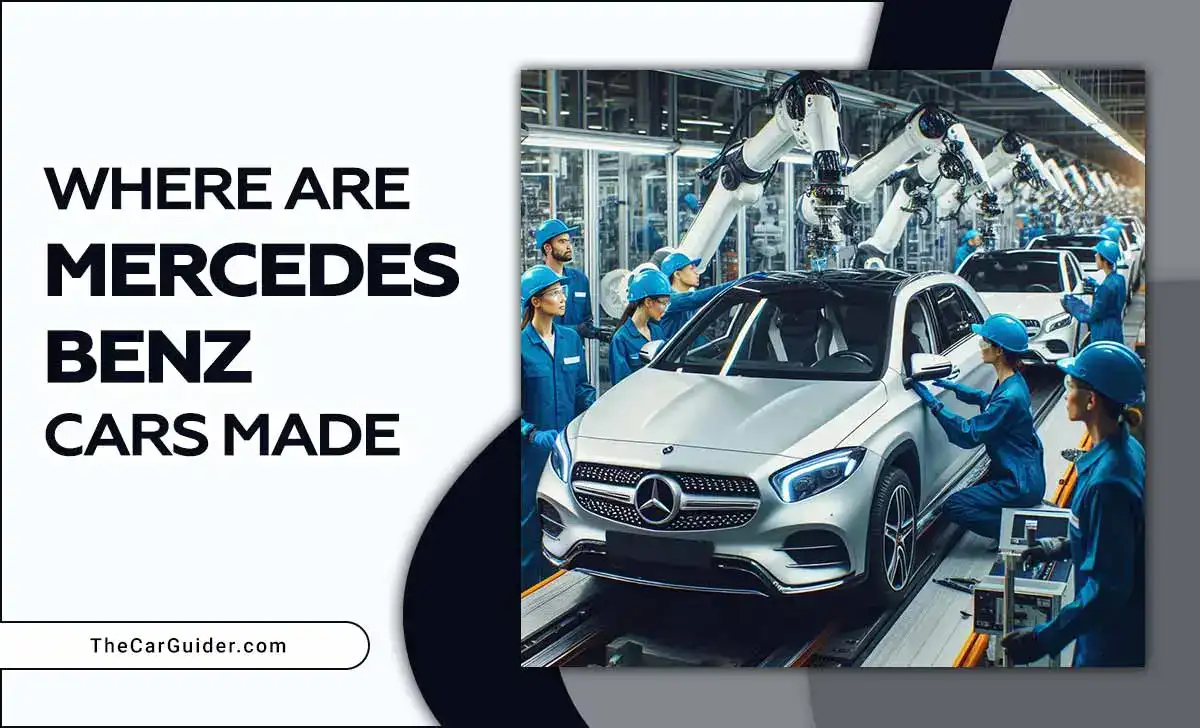
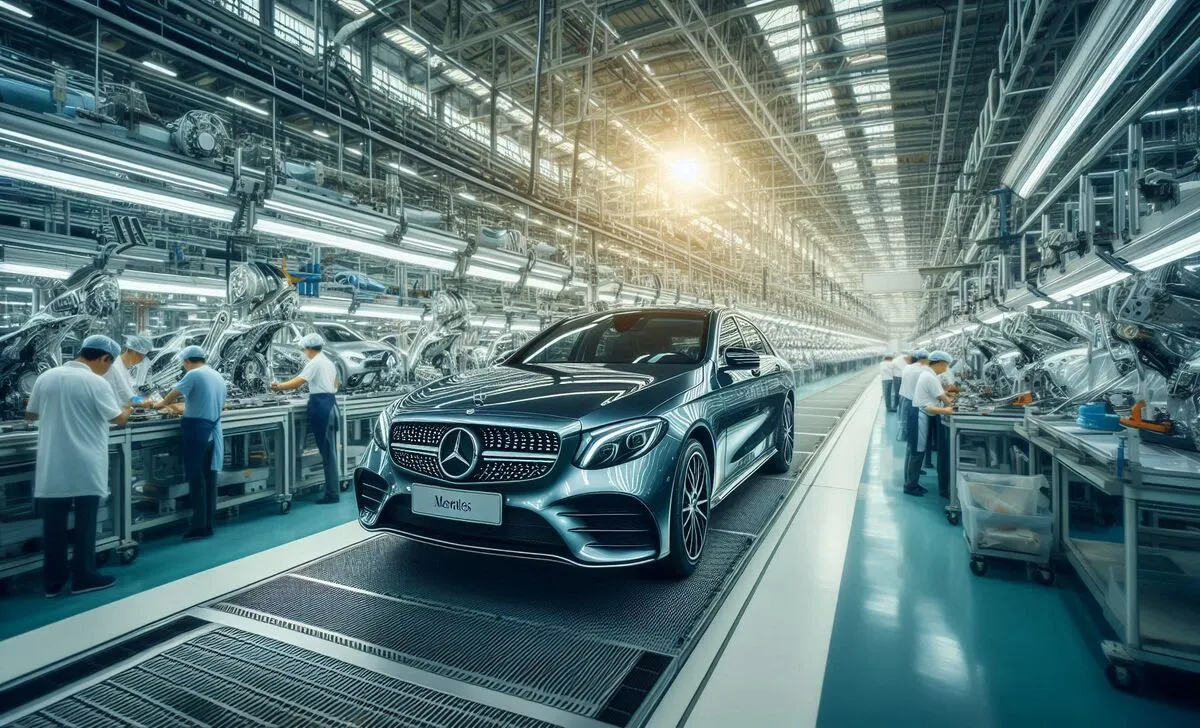
The assembly process at Mercedes-Benz facilities is nothing short of sophisticated, embodying a blend of automation and artisanal craftsmanship. Each plant utilizes a set of standardized practices developed through years of experience and innovation. Key elements include:
- Just In Time Manufacturing: This approach minimizes waste and optimizes inventory management, ensuring that components arrive precisely when needed, thereby enhancing assembly efficiency.
- Advanced Automation: Many facilities deploy cutting-edge robotics to handle intricate assembly tasks, ensuring high precision and consistency.
- Craftsmanship: Skilled labor plays a critical role in assembling luxurious interiors and high-performance drivetrains, ensuring that every vehicle mirrors the Mercedes-Benz ethos of luxury and quality.
This combination of technology and human expertise guarantees that the assembly of components meets the brand’s stringent quality control metrics, resulting in vehicles that satisfy customer expectations around the globe.
Quality Control Standards
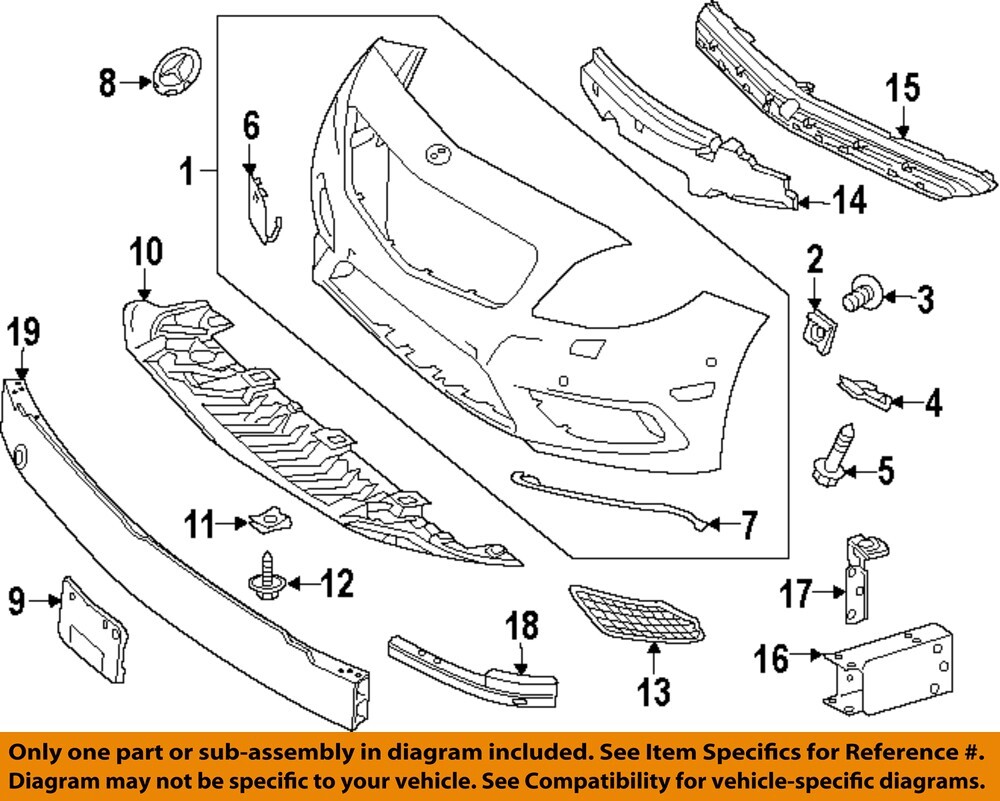
Quality assurance is a cornerstone of the Mercedes-Benz production process, establishing benchmarks that align precisely with the luxury automotive segment’s expectations. Comprehensive quality control measures include:
- Rigorous Testing: Every vehicle undergoes extensive testing, including performance, safety, and durability assessments before reaching the consumer.
- ISO 14001 Certification: This certification outlines the brand’s commitment to environmental management, ensuring that production processes minimize unnecessary waste and emissions.
- Integrated Checks: Quality checks occur at multiple stages of manufacturing, from initial parts production to the final assembly, ensuring consistency throughout the process.
By implementing such strict quality control standards, Mercedes-Benz maintains its reputation as a leader in luxury automotive manufacturing, instilling confidence in customers regarding the reliability and performance of their vehicles.
Comparison of Manufacturing Locations
The production locations of Mercedes-Benz are not merely different sites for assembly; they represent distinct approaches to manufacturing that are influenced by regional characteristics and economics. Each capacity enriches the overall strategy of the company, ensuring vehicles produced are tailored for their markets.
Differences in Production Techniques
The techniques employed in different manufacturing sites can vary widely, reflecting regional requirements and technological adaptations. Key differences include:
- Germany: Known for its emphasis on craftsmanship and manual assembly in luxury segments, with a significant amount of labor dedicated to detailed finishing.
- United States: Focuses on automated processes that enhance production rates for SUVs, leveraging high-efficiency assembly lines to cater to high-demand models.
- China: Adopts a hybrid model that incorporates advanced robotics alongside manual interventions, especially in the assembly of local market-specific variations.
This variance allows Mercedes-Benz to balance efficiency while preserving the intricate details of luxury vehicle assembly. By tailoring production techniques to suit market dynamics and consumer preferences, the brand reinforces its commitment to quality.
Variations in Vehicle Models by Region
The vehicle models produced at different locations reflect the unique demands of regional markets. Key variations include:
- North America: Primarily focused on SUVs such as GLE and GLS, adapted to consumer preferences for larger vehicles.
- Europe: Features compact models like the A-Class or B-Class that cater to urban lifestyles.
- Asia: In addition to traditional models, there’s a rising focus on electric vehicles tailored to increasing consumer interest in sustainable transport, particularly evident in China with long-wheelbase versions of existing models.
This model diversification allows Mercedes-Benz to maximize market penetration and address specific regional preferences, improving overall competitiveness in the luxury automotive sector.
Impact of Location on Vehicle Pricing
The geographical location of vehicle manufacturing has a substantial impact on pricing strategies. Several factors contribute to these dynamics:
- Labor Costs: Regions with lower labor expenses, such as certain Eastern European plants, can produce vehicles at a lower cost compared to high-wage countries like Germany.
- Trade and Tariffs: Vehicles produced in the United States may have an advantage due to lower shipping costs, enabling a more competitive pricing strategy without adding significant tariffs for local consumers.
- Material Sourcing: The proximity to suppliers and availability of components affect overall manufacturing costs, impacting final vehicle pricing.
These aspects demonstrate how strategically placing manufacturing plants not only helps Mercedes-Benz serve local markets effectively but also influences the pricing tactics that can enhance their competitive edge across different regions.
Logistics and Supply Chain
The efficiency of Mercedes-Benz’s operations hinges greatly on its robust logistics and supply chain systems. Supporting a global network requires intricate planning and coordination to ensure that materials and finished vehicles are managed effectively.
Sourcing of Materials
Mercedes-Benz employs a well-structured approach to sourcing materials that balances cost-effectiveness with sustainability. Key considerations in their sourcing strategies include:
- Global Supplier Network: The company collaborates with around 4,000 suppliers from regions including Asia, Europe, and North America, ensuring a steady stream of high-quality materials.
- Responsible Sourcing: Adherence to ethical standards is crucial. Mercedes-Benz requires suppliers to comply with its Responsible Sourcing Standards, focusing on environmental and social governance.
- Local Sourcing Opportunities: Especially in new markets like China and India, Mercedes-Benz is keen on sourcing locally, thereby optimizing costs and reducing lead times.
These comprehensive practices underscore Mercedes-Benz’s commitment to sustainability and ethical operations while meeting stringent quality requirements necessary for producing luxury vehicles.
Distribution Networks
The distribution networks utilized by Mercedes-Benz are designed for maximum efficiency, enabling the quick and reliable delivery of vehicles to dealers worldwide. Key components of this network include:
- Multiple Transportation Modes: Leveraging trucking, rail, air, and maritime transport ensures timely deliveries that are suited to different logistical needs.
- Advanced Supply Chain Technologies: Real-time tracking systems and data analytics optimize logistics, allowing for streamlined operations and enhanced tracking capabilities.
- Global Reach: The wide-ranging distribution network not only facilitates efficient vehicle delivery but also supports rapid response to market fluctuations worldwide.
By establishing such sophisticated logistical capabilities, Mercedes-Benz positions itself to maintain lead times that meet the expectations of both dealers and consumers, ensuring customer satisfaction.

Future Manufacturing Plans
Mercedes-Benz continues to evolve, planning substantial expansions and enhancements to its manufacturing capabilities. These strategic advancements aim to bolster production and cater to emerging technologies, particularly focusing on electric vehicles.
Expansion of Production Facilities
As part of its innovative approach, Mercedes-Benz has outlined numerous expansion plans focusing on new production facilities. Noteworthy developments include:
- New Battery Manufacturing Plant: Set to launch in Aguascalientes, Mexico, this facility will significantly contribute to local EV manufacturing and cater to North America’s growing market for electric vehicles.
- International Consolidation Center (ICC): Scheduled to open in 2025 in Bischweier, this center will streamline parts supply to various production sites, enhancing logistical efficiency.
- Proximity to Key Facilities: Expansion efforts strategically connect new plants with existing facilities, thereby optimizing operations across the supply chain.
Such expansions not only reflect the company’s commitment to increasing production capacities but also underscore its focus on sustainability and responsiveness to market trends.
Innovations in Manufacturing Technology
As the automotive landscape transforms with emerging technologies, Mercedes-Benz is at the forefront of implementing cutting-edge manufacturing innovations. Key aspects of their focus include:
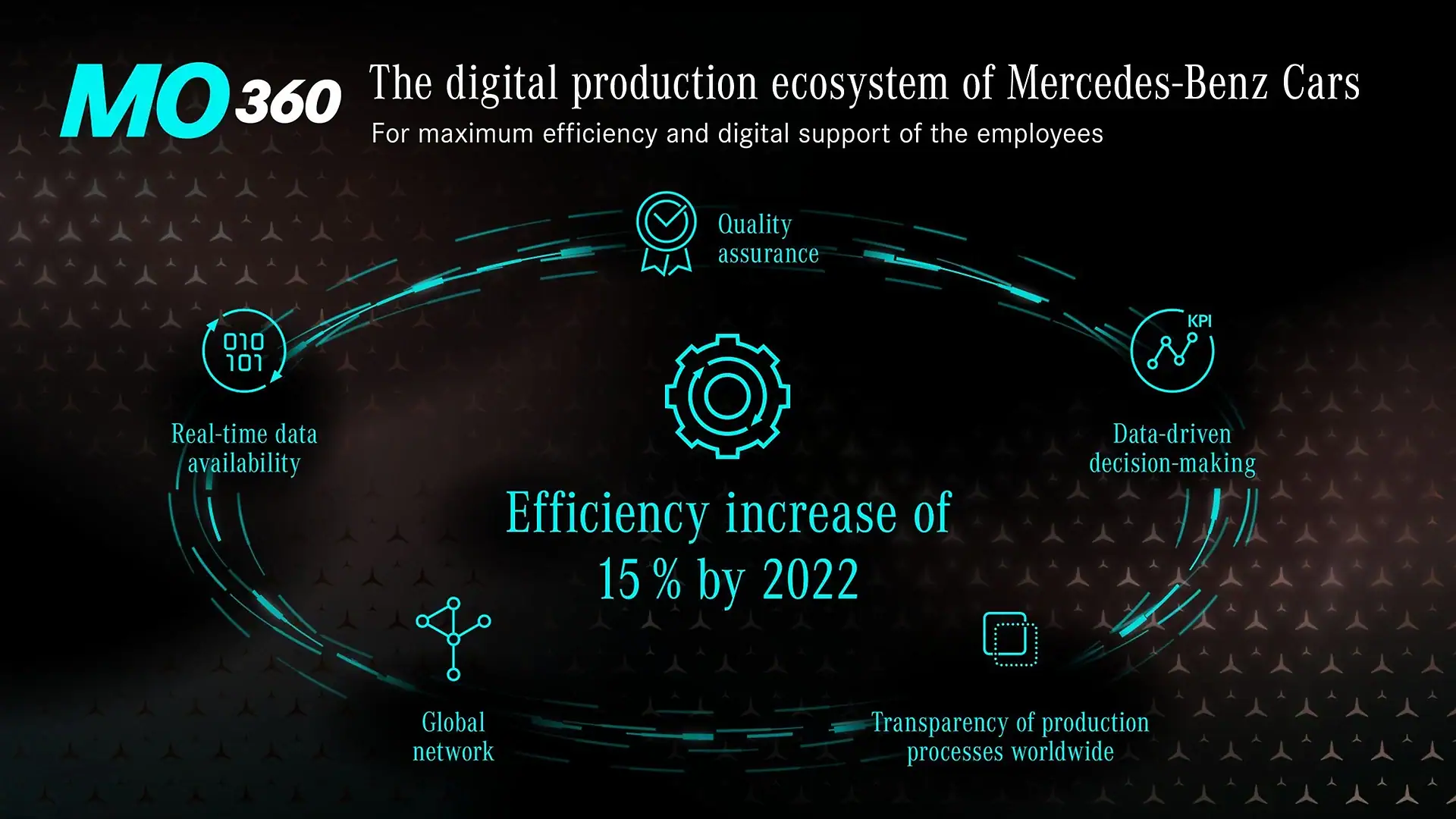
- Industry 4.0 Integration: Embracing advanced robotics, artificial intelligence, and IoT technologies showcases Mercedes-Benz’s shift towards smart manufacturing environments.
- Data-Driven Operations: The incorporation of big data analytics to optimize operations leads to improved productivity, reduced errors, and faster response times.
- Flexibility and Agility: New manufacturing processes are designed to be adaptable, allowing the company to respond quickly to changes in consumer preference and market dynamics.
These innovations position Mercedes-Benz to not only keep pace with industry changes but also to maintain its leadership status within the global automotive market.
Environmental Considerations
As Mercedes-Benz charts its future manufacturing routes, environmental responsibility remains a pivotal consideration. The company strives to implement eco-friendly practices at every stage of production, ensuring minimal impact on the environment.

Sustainability Practices in Manufacturing
Sustainability practices at Mercedes-Benz emphasize a holistic approach encompassing various aspects of production. Core components include:
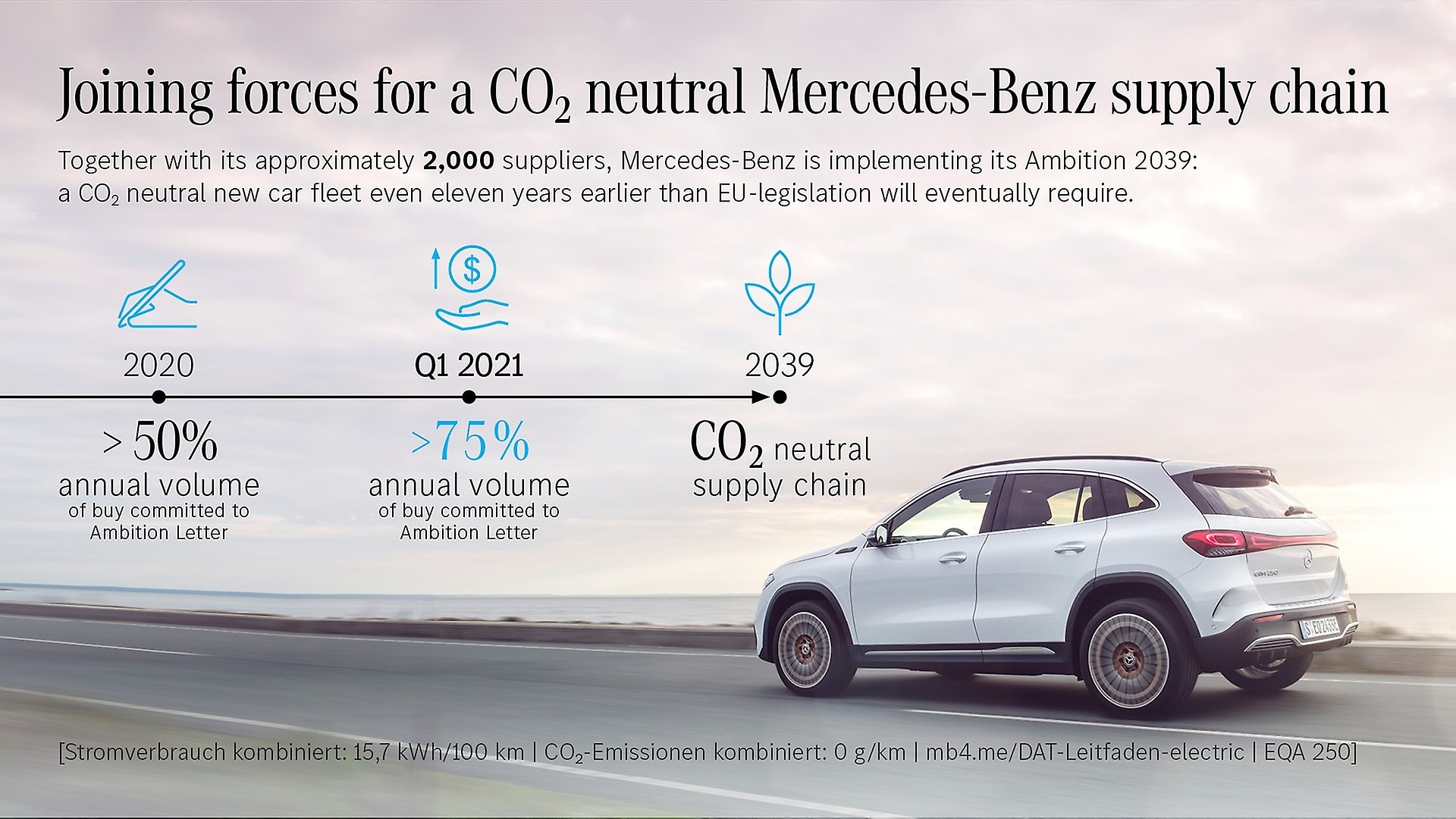
- Decarbonization Initiatives: The company aims for net carbon neutrality across its production sites by the year 2039.
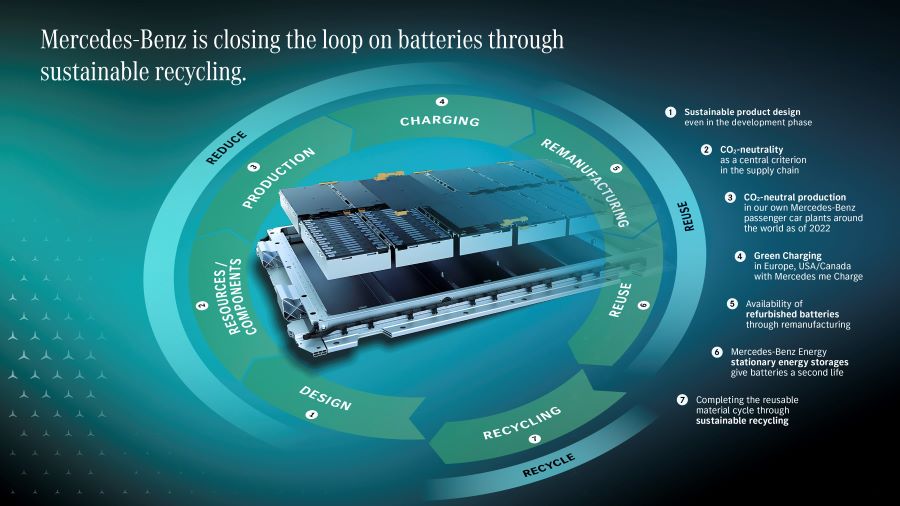
- Circular Economy Focus: Investment in battery recycling processes exemplifies a commitment to reusing materials, with ambitions to recover up to 96% of battery components.
- Use of Renewable Energy: The goal of running all owned production facilities on 100% renewable energy sources by 2030 demonstrates a strong commitment to ecological standards.
By employing these comprehensive sustainability practices, Mercedes-Benz not only addresses environmental concerns but positions itself as a forward-thinking leader in responsible automotive manufacturing.
Efforts for Reducing Carbon Footprint
Reducing the carbon footprint is central to Mercedes-Benz’s operational strategy, signifying a commitment to better environmental practices while enhancing product efficiency. Key actions include:
- Ambition 2039: The strategic plan aims to achieve a carbon-neutral fleet across the entire value chain, profoundly influencing design and manufacturing decisions.
- CO₂ Emission Reduction Targets: The goal of cutting production-related CO₂ emissions by approximately 80% by 2030 signifies the urgency and commitment to greener practices.
- Use of Green Power: Initiatives to create branded, supercharging networks powered by renewable energy underscore the broader goal of environmental stewardship.
These efforts forge a path toward a more sustainable future, reinforcing Mercedes-Benz’s reputation as an environmentally conscious luxury vehicle manufacturer.
FAQs
Where is Mercedes-Benz primarily manufactured?
- Mercedes-Benz has a substantial manufacturing presence in Germany, the United States, and China, with additional facilities globally.
What types of models are produced in Germany?
- Germany focuses on high-end models like the S-Class, E-Class, and various models from the AMG line.
How does location affect vehicle pricing?
- Locations with lower labor costs generally produce vehicles at a lower price point, while tariffs and material sourcing also influence pricing strategies.
What innovations is Mercedes-Benz implementing in manufacturing?
- The brand is focusing on Industry 4.0 technologies, including advanced robotics, AI, and IoT to enhance manufacturing efficiency and agility.
What are Mercedes-Benz’s sustainability goals?
- The company aims for a carbon-neutral fleet by 2039 and plans to run all production facilities on 100% renewable energy by that year.
Key Takeaways
- Mercedes-Benz maintains a diverse global manufacturing footprint including Germany, the U.S., China, and more.
- Each manufacturing facility is tailored to meet regional market demands while upholding quality standards.
- The production process includes a combination of advanced automation and skilled craftsmanship, with strict quality control measures.
- Sustainability and environmental considerations are central to Mercedes-Benz’s manufacturing strategies.
- Investments in technology and production capabilities are enhancing efficiency and responsiveness to market trends.
In conclusion, the global manufacturing network of Mercedes-Benz encapsulates a harmonious blend of tradition and innovation. From its roots in Germany to its strategic expansions across other markets, each facility contributes uniquely to the brand’s identity and prestige. Engaging in sustainable practices, employing cutting-edge technology, and maintaining stringent quality control, Mercedes-Benz cements its legacy while embracing the future of automotive manufacturing. As electric vehicles reshape the industry landscape, the brand’s commitment to eco-friendly practices and adaptation to consumer preferences positions it as a leader poised for continued success in the years to come.